
U.S. Farm Report
In-depth stories on agriculture, rural issues and the country lifestyle, originally aired on U.S. Farm Report.

Ground beef demand remains strong as cattle producers push back on Trump’s latest beef import plan that sent cattle prices sinking. Ranchers say consumers don’t have a beef price problem — they have a fuel price problem.

After years of dry falls, a historic El Niño could cut U.S. farmers’ fall field-workable days by 20%, Nutrien’s Eric Snodgrass warns, while drying delays and flat acreage threaten Brazil and Argentina’s 2026-2027 crop.

A New York farmer’s viral videos exposing pressure tactics by solar developers caught the attention of USDA’s new Special Envoy for American Landowners, John Rich, turning a local fight into a national one.
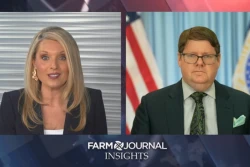
In a candid conversation with Farm Journal, USDA Deputy Secretary Stephen Vaden says USDA’s message to fertilizer companies is simple: “Be part of the solution, don’t be part of the problem.”

Three market analysts and dairy leaders break down what’s pressuring milk prices, what’s driving cattle prices and why grain markets can’t find clarity.

At a fiery Senate hearing, farmers and lawmakers call out corporate consolidation for driving up input costs, while industry leaders insist global geopolitics, not greed, are to blame.

Arlan Suderman says the U.S. is strengthening ties with Argentina to counter China’s growing influence — a global strategy that’s leaving many U.S. farmers and ranchers feeling sidelined.

This event is crafted to empower both producers and businesses with invaluable insights and connections that will propel their dairy ventures forward.

New Heart Brings New Life: 13-Year-Old Dairy Exhibitor Returns Stronger After Life-Saving Transplant
At just 12 years old, Lexi Anderson was diagnosed with a rare heart disease. After a successful heart transplant in early 2024, she is back to showing dairy cattle and playing sports. Read how her determination — and a life-saving donor — gave her a second chance.

In the heart of California’s Central Valley, generations of farm families are facing a new kind of crisis: what farmers argue is a man-made drought. It’s mounting water regulations that could determine whether the most fertile farmland in the nation survives.

A growing crisis is silently unfolding in agriculture. Farmers are 3.5 times more likely to die by suicide than the general population. With mounting financial stress, that number could be on the rise this year.

Fifty-three percent of agricultural economists surveyed in the July Ag Economists’ Monthly Monitor say the row crops side of agriculture is currently in a recession, which is down from the 72% who responded that way in May.

With 259 farm bankruptcies filed between April 2024 and March 2025, it’s clear the financial stress on farms is only growing more severe this year. But there’s been another troubling trend happening in the midst of the downturn.

Despite USDA’s strong corn condition ratings, more agronomists and farmers are reporting pollination problems from what’s being called ‘overly tight tassel wrap,’ an issue that can’t be seen until you walk into your fields.

The on-again, off-again reports regarding ICE raids is sowing confusion for those who rely on immigrant labor and causing labor shortages because employees aren’t showing up for work.

The start of June could bring high heat and drier weather, which is a stark contrast from the forecast for the last week of May.

Meteorologists say the active start to January is a sign of what’s ahead with concerns about drought, more cold and a sharp divide in areas of the country seeing too much moisture versus not enough.
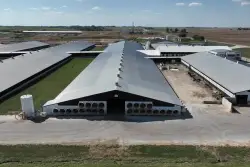
A decade into the partnership, GenoSource has grown into more than the original partners ever imagined. The dairy now involves eight families, who all love Holsteins and share a goal of creating a more sustainable future for the next generation.

The first trading day of 2025 saw the U.S. dollar hit a two-year high, but the strength of the dollar in 2024 also had a major impact on commodity markets.

At just 11 years old, Reed Marcum had an idea for a project: Collect toys and give them to children in his community. Eight years later, the toy drive has given away more than 64,000 toys at an annual event people wait in line for hours to attend.

Threats of widespread tariffs and concerns about retaliation continue to stoke uneasiness in agriculture. With a growing trade deficit and hopes the U.S. could re-embark on the Phase One trade deal with China, could the focus back on trade be positive for agriculture?

Lexi Anderson is a spirited kid who’s always supporting those around her. But Lexi’s big heart is now what’s needing saved, and it’s a constant showing of love and support that’s getting this family through.

USDA’s Economic Research Service (ERS) will provide an updated 2024 net farm income forecast on Thursday. Economists say the net farm income picture would look even worse it weren’t for improved livestock prices.

Cory Reed, president of Worldwide Agriculture & Turf Division, spoke about layoffs, citing lower demand due to falling net farm income, higher interest rates and market volatility.

Farmers are still in the driver’s seat, but the direction of land values in the months and years ahead relies on one major factor: how long low profitability for row crop farmers persists.