
News

Reflecting on our past, as well as looking forward, it’s crucial to continually embrace life’s lessons with openness and enthusiasm. It’s this mindset that propels us forward, allowing us to contribute positively to our industry and the wider world.

A crop that was initially developed for the human food market is now being served up in heaping portions to the humble dairy cow.

The fight to protect common food names is fundamentally about securing fair competition and supporting U.S. agriculture on the global stage

Butterfat exports are running at more than double the pace compared to the past two years

In the heart of Green Bay, during the electrifying NFL Draft Week, a unique event unfolded that seamlessly combined the love for football with a cause-driven culinary experience.

Can pasteurized whole milk be enhanced with added milk replacer powder? If so, is it possible to add too much of a good thing?

USDA’s latest crop progress report puts the country at 24% of corn and 18% of soybeans in the ground. Farmers are sharing timely rains and great conditions to start the season.

As immigration issues continue to be a significant concern for farmers nationwide, proactive measures and informed strategies are essential to minimize potential disruptions.

Drew Lerner, founder of World Weather, Inc., says the summer of 1968 had some strong patterns, including a wetter bias in the western and north-central U.S., but drier in most of the Atlantic Coast states and parts of the eastern and southern Midwest.

“In today’s economy, the ability to farm often depends on the ability to commute,” says Daniel Munch, economist at American Farm Bureau Federation.

New York is emerging as a significant force in dairy processing, fueled by considerable industry investments poised to transform its agricultural landscape.

Livestock producers say thanks to veterinarians for being valued members of their team.

Through the Healthy Dairy in Schools Commitment, the dairy industry is pledging to remove certified artificial colors from milk, cheese and yogurt served in K-12 school meals by July 2026.

As history has shown, more farmers hit the auction circuit during a down cycle in the farm economy. See what equipment is drawing strong prices.
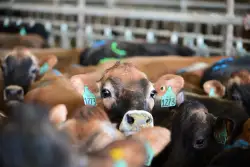
The accelerated changes in butterfat and protein production present a promising horizon for the dairy sector, setting the stage for continued growth and opportunity on both domestic and international fronts.

Before the White House’s 90-day pause on higher tariffs for other countries expires on July 9, India is one country rushing to negotiate a trade deal with the U.S.

The dairy sector has seen a promising upward trend in milk production that is reflected in the latest U.S. Milk Production Report.

It is important that dairy industry stakeholders work together to further understand the complexity and underlying mechanisms of heat stress impacts and develop alternative strategies to mitigate the risks.

Neogen CEO expects Kersia’s prioritization of investment and growth in the biosecurity market will benefit the business and provide sharpened strategic focus to maximize its potential for continued growth.

The Food and Drug Administration is suspending a quality control program for testing of fluid milk and other dairy products due to reduced capacity in its food safety and nutrition division.

The new processing plant marks its largest investment to date and a major expansion of its operations in the state’s dairy industry.

Feeding dairy-beef cross steers a low-starch, forage-based diet early in life may be the secret to fewer liver abscesses, healthier rumens, and heavier carcasses without sacrificing performance.

Succession planning can feel overwhelming, but early planning, clear finances and open communication can pave the way for a smooth transition to the next generation.

Creating a thriving work environment is about fostering a culture that benefits both employees and the business. Jared Dueppengiesser shares invaluable insights as a former herd manager at Rosendale Dairy, part of the MilkSource LLC.

A handful of rain-free days were a perfect recipe for spring planting — and farmers took full advantage of the opportunity. This week’s USDA crop progress report puts corn and soybean acres just ahead of last year’s pace.

Recent policy shifts have clouded the outlook for the months ahead, introducing demand uncertainty at a time when milk production and components are increasing.

Establishing a leadership legacy in the dairy business revolves around fostering the right qualities and cultivating a culture where people are eager to be part of the vision.

Researchers continue to seek methods of monitoring animal health and welfare to anticipate health setbacks and improve the animals’ lives. The latest tool to do so: saliva.

Ocean shipping transports about 80% of global trade — from coal and corn to bananas and cement. The revisions tackle major concerns from the global maritime industry that feared virtually every cargo carrier could face steep, stacking fees.

“We’re only 15 days into this. It feels like a year, right?” says Matt Clark, senior rural economy analyst. “I catch myself feeling very overwhelmed by the news flow, a lot has happened in 15 days.”