
Diagnostics

RT-PCR testing is showing up more often on dairies because it can find mastitis pathogens faster and more accurately than traditional culture. Understanding the process and results can help you make better decisions on farm.

When we focus only on the most obvious clinical sign or lesion, we risk missing the broader forces shaping cattle health. Stepping back reveals patterns we can’t see up close.

Milk yield, components and udder health metrics can reveal early disease long before clinical signs emerge. Learning to interpret these signals can transform routine milk data into proactive herd health interventions.

Avoid inconclusive results, wasted tests, and diagnostic delays by focusing on these five practical improvements for sample selection.

Dr. Taylor Engle of Four Star Veterinary Services shares how producers can improve calf health outcomes by rethinking everything from pre-birth to bunk.

Native to east Asia, the ALHT was first detected in New Jersey in 2017. Since then, it has spread to more than 20 states with recent confirmations in Illinois, Michigan and Iowa.

It is important that dairy industry stakeholders work together to further understand the complexity and underlying mechanisms of heat stress impacts and develop alternative strategies to mitigate the risks.

Could a cow’s birth season impact its longevity and productivity? University of Florida researchers say yes—discover how heat stress at birth could shape a cow’s future.

Even mild cases can impact milk production, health and well-being. Researchers, citing expenses and losses farmers incur from the problem, say costs per case commonly range from $76, on the low end, to more than $336, on average.

Soon after the discovery of highly pathogenic avian influenza (HPAI) strain H5N1 in dairy cattle, scientists learned that milk was a primary vector in spreading the disease from cow to cow.

Any existing herd health problems are amplified by HPAI H5N1, practitioners report. Some are asking regulatory agencies for more consistent testing and reporting protocols. They are also encouraging producers to invest dollars in better nutrition and cow comfort resources.
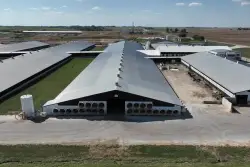
A decade into the partnership, GenoSource has grown into more than the original partners ever imagined. The dairy now involves eight families, who all love Holsteins and share a goal of creating a more sustainable future for the next generation.

New Federal Order will require national milk testing and support state officials and dairy regulators; builds on actions to protect farms, farmworkers and communities from H5N1 avian influenza.
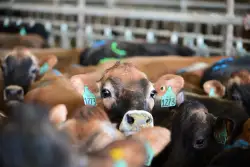
In the face of fluctuating market dynamics and economic pressures, innovative profitability strategies have become crucial, particularly in the dairy industry.
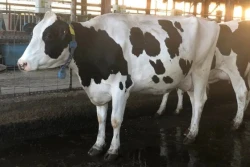
Activity and rumination monitoring systems -- precision cow monitoring -- can revolutionize the way a dairy manages its cows. Or they can pile up frustrations and create greater expense without adding value.

Pain is a natural condition for all animals and humans. But when it comes to dairy cattle specifically, the intensity and duration of their pain can have significant influence on both their welfare and productivity.
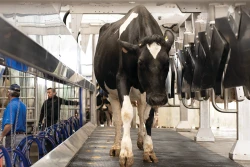
Three producers open up and share about their journey of innovation and technology as a way to spell longevity to their dairy operations.

The essential oil from oregano is proving beneficial for calf diets. Two studies have shown it to have positive impacts on calf health and performance as an alternative to antibiotics.

Understanding the economics of management practice adoption can make it easier to make adoption decisions.

The American Association of Bovine Practitioners is making the name change, as it more accurately reflects the issue.

Livestock producers and veterinarians are urged to practice good biosecurity practices to prevent transmission of the disease. Five states have also issued restrictions on dairy cattle movement.

Somatic cell count averages for 2022 were highest in the year’s late fall and winter months. Below are some considerations for managing mastitis as the weather changes.

Manure analysis can provide telling insights into what nutrients actually are being digested in a ration.

By using precision technologies such as automated milk feeders and pedometers combined with machine learning, dairy producers can detect illness earlier and make informed decisions about treatment.

Similar to human fingerprints, cow noses are detailed, nearly unique, difficult to change, and remain the same over the life of an individual, making them ideal long-term markers of identity.

Providing assistance too early during stage II labor may result in an increased risk of metritis.

Testing of pooled milk samples could provide an efficient tool for foot and mouth disease (FMD) screening, and for facilitating movement of milk supplies during an FMD outbreak.