
Fertilizer

Sulfur prices have surged more than fivefold, threatening phosphate fertilizer production. With global supply tightening, farmers could face higher prices, or even fertilizer shortages, heading into the months ahead.

FTC chairman Andrew Ferguson announced a formal investigation Thursday into fertilizer pricing and market concentration, drawing a standing ovation from farmers representing 18 states.

Producers report mounting pressure from higher diesel, fertilizer and machinery expenses, alongside trade uncertainty and rural healthcare concerns, as policy impacts and election-year sentiment weigh on the farm economy.

As producers navigate financial strain and D.C. disconnect, realities such as steep input costs, trade frustrations and E15 limbo are becoming decisive factors shaping the rural vote.

Ag Secretary Brooke Rollins says a multi-agency Trump administration effort will target fertilizer costs and boost U.S. production, with a major announcement expected yet this week.
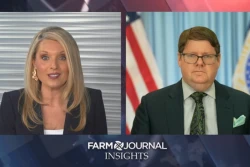
In a candid conversation with Farm Journal, USDA Deputy Secretary Stephen Vaden says USDA’s message to fertilizer companies is simple: “Be part of the solution, don’t be part of the problem.”

As the Iran war drives fertilizer prices up 40%, the Trump administration is warning against price gouging. A new survey shows only 60% of corn farmers have secured their nitrogen needs for 2026.

By capturing and distilling nitrogen from lagoon effluent, Wilbur-Ellis is providing organic growers with a 50/50 ammonium-nitrate tool that handles like a conventional fertilizer.

When the daily demands of an operation become overwhelming, long-term strategy is often the first thing to go. But what if hard times are actually the best time to grow?

As the Strait of Hormuz faces potential closure, experts warn of supply chain disruptions just as U.S. farmers prepare for spring planting.

At a fiery Senate hearing, farmers and lawmakers call out corporate consolidation for driving up input costs, while industry leaders insist global geopolitics, not greed, are to blame.

The new numbers show that net farm income will fall $6.5 billion or 4.4%. This is compared to projections released in February suggesting it would fall 26%.