
Diseases

Many calves develop pneumonia days before showing symptoms. Lung ultrasounds are helping veterinarians detect the hidden disease earlier.

The affected herd is located in Charlevoix County, located west of Michigan’s Modified Accredited Zone (MAZ), where the disease is known to be present in the state’s white-tailed deer population. The detection follows identification of bovine TB in an adult cow at a USDA Food Safety Inspection Service-inspected processing plant.

Even mild respiratory disease in beef‑on‑dairy calves can reduce marbling and carcass value.

Officials have confirmed the first case of highly pathogenic avian flu in a Wisconsin dairy herd.

Prevention, detection and long-term control of these diseases are key to avoiding a $300-billion impact.

When we focus only on the most obvious clinical sign or lesion, we risk missing the broader forces shaping cattle health. Stepping back reveals patterns we can’t see up close.

Two farms in Arizona have confirmed cases of vesicular stomatitis. In response, USDA APHIS has issued a situation report and the CFIA has imposed import restrictions.

A trusted adjuvant can make all the difference in capturing a strong immune response in young calves.

Dr. Taylor Engle of Four Star Veterinary Services shares how producers can improve calf health outcomes by rethinking everything from pre-birth to bunk.

The image, the smell, the emotions: five cattle producers and veterinarians from around the world share their first-hand experience with New World screwworm.

The “One Big Beautiful Bill Act” brings a range of updates for dairy farmers including extended DMC coverage, expanded tax relief, insurance incentives and pricing transparency measures.

As the fight to keep the flesh-eating parasite out of the U.S. intensifies, the economic impact on ranchers and the industry is top of mind. “This pest will be one that leaves quite a mark on our economy,” says one veterinarian.

Native to east Asia, the ALHT was first detected in New Jersey in 2017. Since then, it has spread to more than 20 states with recent confirmations in Illinois, Michigan and Iowa.

Soon after the discovery of highly pathogenic avian influenza (HPAI) strain H5N1 in dairy cattle, scientists learned that milk was a primary vector in spreading the disease from cow to cow.

Spearheaded by National Economic Council Director Kevin Hassett and USDA Secretary Brooke Rollins, the plan prioritizes enhanced biosecurity measures and medication to control the spread of the virus and moves away from mass culling of infected flocks.

U.S. dairy cattle tested positive for a strain of bird flu that previously had not been seen in cows, the U.S. Department of Agriculture said on Wednesday, ramping up concerns about the persistent spread of the virus.

Dairy producers are starting the year off with margin pressure following the latest round of USDA reports.

Any existing herd health problems are amplified by HPAI H5N1, practitioners report. Some are asking regulatory agencies for more consistent testing and reporting protocols. They are also encouraging producers to invest dollars in better nutrition and cow comfort resources.

New Federal Order will require national milk testing and support state officials and dairy regulators; builds on actions to protect farms, farmworkers and communities from H5N1 avian influenza.
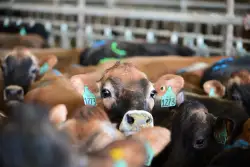
In the face of fluctuating market dynamics and economic pressures, innovative profitability strategies have become crucial, particularly in the dairy industry.

USDA announced on Oct. 30 the first reported case of H5N1 in a pig in an Oregon backyard farm.

National disease prevention relies on systematic monitoring and biosecurity to protect animal health, trade, and economic resilience against outbreaks like Highly Pathogenic Avian Influenza.

It has been widely observed by dairy producers and nutritionists that reduced production responses – in terms of milk yield, components, or both -- are almost a given when soybean meal is swapped out for DDGS.

What is the world’s most expensive dairy disease? And what countries are hit hardest by these costs?
While even average crossbred animals are bringing a decent profit, healthy, well-grown calves are worth top dollar.

Ohio has become the sixth state where dairy cattle have tested positive for highly pathogenic avian influenza (HPAI), also known as bird flu.

So far, HPAI has not had an impact on milk futures or the underlying cash prices. However, HPAI has not had an impact on milk futures or the underlying cash prices.