
Milk - General

Cheese and Class III futures rallied on stronger spot prices, even as rising trade tensions with China and looming tariffs stirred market uncertainty.

AgSource Cooperative Services is transitioning into an independent cooperative entity.

Arla Foods and DMK Group plan to merge, creating Europe’s largest farmer-owned dairy cooperative with over 12,000 members and a projected $20.8 billion in annual revenue.

As dairy producers strive for efficiency and higher profitability, the famed “7 lb. target” has become a focal point in dairy production conversations.

Farm life can help ingrain timeless values into the next generation, as demonstrated by three teenagers who committed to daily duties at the dairy.

After weeks of heavy spot trade, Monday brought a calmer, mostly green day to dairy markets, with cheese leading the rebound despite ongoing tariff tensions and early futures pressure.

The shrinking pool of workers in rural areas is a real concern as populations decline and economic opportunities increase in countries that have historically been sources of agricultural labor for the U.S.

Class III milk futures slipped lower Wednesday as China’s 34% reciprocal tariffs sent shockwaves through whey, soybeans, cattle, energy, and stock markets.

Supporters of the Whole Milk for Healthy Kids Act say more milk choices in school lunches mean healthier kids, less waste and a stronger future for dairy.

The CEO of Legacy Ranches shares the benefits of making efficiency an essential part of its operations.

There was red almost across the board today as the market finally got a little clarity around tariffs following yesterday’s announcement.

President Trump has announced a series of reciprocal tariffs, scheduled to start over the next few days, on some of agriculture’s most significant trade partners. The outcomes could be a net positive for dairy producers, some industry members say.

Global price disparities and anticipation surrounding President Trump’s tariff announcement kept the industry on edge.

For the third consecutive year, the prestigious Milk Business Awards honor exceptional dairy producers who have demonstrated excellence across various aspects of the business. The deadline to apply for the awards is Aug. 1.

Heifer supplies are tight, but cow numbers continue to increase and are substantially higher than a year ago. High heifer prices and a tight supply have resulted in farmers holding on to more cows.

Three innovative dairy producers illustrate that with dedicated teams, efficient operations and innovative technology, the dairy industry can achieve remarkable quality and productivity.

After yesterday’s muted session, CME cheese markets had a much busier day today.

Technical difficulties delayed the CME spot trade on Monday, preventing a smooth spot trade.
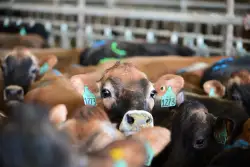
The U.S. dairy industry, driven by substantial investments and shifting consumer preferences, is poised for significant growth in the coming years.

Curious about your farm’s environmental footprint? A new program is helping dairy producers measure their impact, understand key sustainability metrics, and make informed decisions for the future.

Amanda Freund, a Connecticut dairy farmer is headed to “Shark Tank,” where she aims to propel her creation, CowPots, into the mainstream.
Across the dairy complex, sellers came armed with product to move and buyers had their checkbooks out.

Dairy farmers are riding a wave of market uncertainty in 2025, with trade battles, feed price swings, and booming cheese production shaking up the industry. Experts Sarina Sharp and Katie Burgess break down the top trends shaping the year ahead.

This young Kansas dairy farmer’s dual passions for education and agriculture unite to contribute richly to her community and her family’s legacy.

A Texas mom has created a kid-friendly milk product that’s low in sugar, high in protein, and designed to support a healthier future for young children.

Zonneveld Dairies, Inc., a 10,000-cow dairy operation in California provides valuable insights from their experience navigating HPAI.

Class III futures were slightly lower after a spot cheese session that saw large volumes of product change hands.

Manufacturers appear to have ample supply, leading them to the spot market to offload inventory.

By focusing on these metrics and strategic areas, dairy producers can not only survive but potentially thrive in a challenging economic climate.

Dairy markets do not seem too concerned about U.S. milk production growing at its fastest pace in two years.