
Dairy Herd

Spot butter trades reached a new record, with 51 loads changing hands – the heaviest single day since daily trading began in 2006.

The current animal traceability system and the ability to rapidly respond to a real disease outbreak is insufficient to protect ranchers and their livelihoods, says NCBA president Mark Eisele.

Learn more from the leader of the Northeast’s premier dairy farmer cooperative.

In the Upper Midwest, corn grows tall, reminding us that silage season is inching closer and closer. Some dairy farmers are fortunate to have experienced farm help on standby to assist them as they prepare for summer and fall fieldwork. Other farmers are not quite so lucky. Farm help can be hard to find. Good help that has farm equipment experience is even harder to find.

A new approach to automated milking is gaining traction in the industry – robotic batch-style milking.

Gen Z has made their way into the dairy workforce, both on the farm and out in the field.

In the ever-evolving landscape of dairy farming, where unpredictability seems to be the only constant, strategic planning is a tool that guides farmers toward success

After spending the last two days jumping to new year-to-date highs, CME cheese markets slowed their climb today.

As wildfires sweep across Oregon, the toll on the land and its people are becoming increasingly evident. The Chamberlain family, who own and operate Dairylain Farms in Vale, Ore., are among those affected.

Spot cheese prices gave Class III futures a slight boost with Q4 rising to $20.93 per hundredweight

Evaluating the reasons that cows are leaving the herd can help to target the management areas that need improvement.

Could triticale silage replace corn silage in lactating rations without sacrificing dietary energy and starch? The answer might surprise you.

Water scarcity is one of the most significant challenges facing the dairy industry, particularly in Texas where the cow population has more than doubled over the past two decades.

It was green across the board today in Chicago, with the exception of whey.

Recessions often lead to decreased demand for certain agricultural products, particularly those considered discretionary, such as cotton, dairy, specialty meat products and vegetables. This can result in lower prices for these commodities, affecting farmers’ revenues.
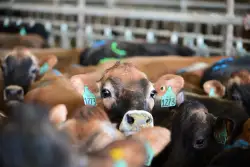
The U.S. dairy industry is poised on the brink of significant growth, as illustrated by Farm Journal’s State of the Dairy Industry report.

Beef “recip” cows are extremely expensive to purchase. Could renting dairy uteruses be an avenue for beef producers to explore?

The U.S. Dairy Export Council (USDEC) recently embarked on a pivotal journey to China, with the aim of strengthening ties and enhancing trade opportunities between U.S. dairy suppliers and Chinese buyers.

What is the world’s most expensive dairy disease? And what countries are hit hardest by these costs?

Class III contracts continued to rebound along with spot cheese.

U.S. cheese exports slid off record highs in June to 86 million pounds.

Walz’s selection is seen as a strategic move to appeal to rural voters and progressives, given his track record of progressive policy achievements and his Midwestern charm.

Milk prices have been increasing, but there is concern stronger prices may not hold through the end of the year.

As the milk supply tightens, milk prices rise, and cheese manufacturing capacity expands, more milk dryers could run light.

Holstein springers tread into $3,000 per head territory again this month, roughly double year-ago values.

Norma “Duffy” Lyon was more than okay with being known as the “The Butter Cow Lady.” Afterall, for nearly a half century, Lyon sculpted the butter cow and other creations at the Iowa State Fair.

Higher unemployment and slower hiring triggered fears of a U.S. recession and sent global markets sharply downward.

This Washington dairy is driven by the motto of doing things the right way.

Today the formula pf passing on the farm requires robust conversation and strategic planning to financially integrate another family member into the business.

House Ag Committee Chair GT Thompson (R-Pa.) believes the CBO’s methodology underestimates the potential savings criticized them for what he sees as a history of underestimating Commodity Credit Corporation (CCC) outlays.