
Profit Tips

The beef-on-dairy trend is set to continue as a significant profit driver for dairy farms into 2026.

This boom in beef calf revenue has provided a lifeline for many dairy farmers amid milk side downturns. Cows that were once considered for slaughter due to low profitability now carry valuable calves, prompting farmers to optimize their asset cycles instead of simply offloading them.

Heifers have unique requirements and challenges leading to individual groups, adjustments in feed additives and rations designed to meet growth and milk needs.

By understanding the economic landscape, engaging with financial partners and exploring diverse revenue streams, dairy farmers can navigate the challenges ahead with greater confidence and resilience.

Through remarkable advancements in genetic testing and data-driven strategies, McCarty Family Farms are setting new standards in productivity, quality and sustainability.

We cannot ignore that it’s time to once again tighten our management belts and find ways to increase cash flow while decreasing our cost of production.

Beef-on-dairy practices are rapidly transforming the landscape of the dairy industry, proving that with a little innovation, even perceived limitations can be turned into lucrative opportunities.

Jon-De Farms’ strategic move to a rotary milking parlor illustrates how thoughtful technology integration can drive operational efficiencies in dairy farming.

Through the perspectives shared by these pioneering producers, it becomes clear progressive dairy farming is a dynamic blend of embracing change, leveraging technology and honoring essential values.

The integration of beef and dairy is not just creating financial opportunities and by leveraging genetics, nutrition and innovative supply chain solutions, dairy producers are setting a precedent for valuable cross-industry collaboration.

Each of these farms exemplifies how strategic risk management, financial oversight and a focus on profit margins over gross sales can transform a dairy operation into a successful business.

Alternative revenue sources are becoming more and more common to help producers financially stay afloat. The goal moving forward is clear: striking a delicate balance that ensures longevity and relevance in an ever-changing industry.

Getting a second opinion is not just about attention to detail — it’s about adopting a mindset that welcomes change and innovation. For dairy farmers striving for financial stability and growth, this outlook can be transformative.

Recent developments have shown just how rapidly perceptions can change, with the pricing gap between beef-on-dairy calves and their native counterparts narrowing remarkably.

The economic decisions involved in heifer management are not just about immediate costs. They are a long-term investment strategy that can determine the future productivity and profitability of a dairy farm. Choosing which heifers to keep, which to sell, and how to feed and care for them requires a deft balancing act. Factors such as genetics, health and market demand all play a role.

With tight grain storage and relatively low corn prices, many dairy producers are contemplating the strategic move of chopping additional acreage of corn.

While return on investment is a key factor when choosing the best investments for your farm, other management and financial aspects should also be considered.

Full Circle Jerseys is strategically transitioning its 5,000-cow herd from straight Jerseys to Holstein x Jersey crossbreds.

Growth in Ben Smith’s dairy operation isn’t just about expanding the acreage or increasing the number of cows. It’s about capturing opportunities that align with their values and boost efficiencies.

In the heart of central California, Lumar Dairy stands as a dynamic example of how commitment to heritage and openness to change can coexist and thrive.

As dairy farmers navigate the complexities of integrating new technology into their operations, a strategic focus on evaluating ROI can lead to smarter, more impactful investments.

The dairy industry has witnessed a notable rise in the integration of beef within its realm, marking a significant shift that prompts us to ask, “When is high too high?”

It requires a mix of proactive management and strategic planning to thrive in this ever-evolving market landscape.

This Milk Business Young Producer Award recipient is generating income by selling surplus fresh cows.

The focus remains on leveraging existing operations to find value beyond the milk check.

A transformation is unfolding with geographic shifts, milk solids and revenue streams

A sneak peak of Farm Journal’s leading-edge survey insights illustrates strategic solutions that generate renewed confidence, ensuring a promising path forward for the industry.

As the dairy industry evolves, small farms face critical questions about sustainability, profitability and the most effective methods for expansion.
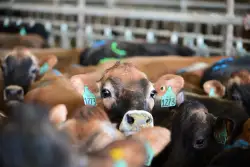
The accelerated changes in butterfat and protein production present a promising horizon for the dairy sector, setting the stage for continued growth and opportunity on both domestic and international fronts.

With dairy replacements in tight supply and beef-on-dairy calves worth a small fortune, monitoring the health and management of livestock is just as crucial as keeping a close eye on financials.