
Profit Tips

As dairy producers strive for efficiency and higher profitability, the famed “7 lb. target” has become a focal point in dairy production conversations.

The CEO of Legacy Ranches shares the benefits of making efficiency an essential part of its operations.

By focusing on these metrics and strategic areas, dairy producers can not only survive but potentially thrive in a challenging economic climate.

Over the past decade, South Dakota has cemented its position as a leader in the dairy industry, thanks to remarkable growth in its dairy cow population. According to data from the U.S. Department of Agriculture, the number of dairy cows in the state has more than doubled, marking an impressive 117% increase.

Producers are challenged paying the bills with the lack-lusting prices that have shown up on milk checks this summer. Dairy financial leaders share tips on what to do and not to do to survive tough financial times.

The dairy cattle market is currently experiencing an unprecedented surge in demand, creating a bustling atmosphere in the industry. As the competition heats up, market players are closely observing what is currently trending – is it beef-on-dairy calves or the traditional dairy replacements and fresh cows?

Strategically planning a dairy cow’s transition out of the herd can maximize meat quality, carcass yield, and overall profitability.
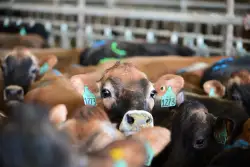
In the face of fluctuating market dynamics and economic pressures, innovative profitability strategies have become crucial, particularly in the dairy industry.

The dairy market is experiencing a significant transition as economic factors from 2022 carry over into 2023, impacting milk production levels. Phil Plourd, head of market intelligence at Ever.Ag, recently discussed these developments with Chip Flory, host of AgriTalk.

In South Dakota, you’ll find a 130-year-old dairy operation that runs on passion, perseverance and a focus on finding the right people. This dynamic trifecta is what makes up the unparalleled culture of MoDak Dairy.

Bateman’s Mosida Farms in Utah is named the 2024 Innovative Dairy Farmer of the Year by the IDFA because of their ability to innovate and diversify to better care for their cattle and land.

Along with much planning, open communication, hard work and strong values have allowed Steinhurst Dairy to pass the torch from one generation to the next despite a string of grief and mountains of heartache.

Understanding the economics of management practice adoption can make it easier to make adoption decisions.

Beef-on-dairy breeding has revolutionized the U.S. cattle industry, shored up dwindling fed-beef cattle supplies, and added considerable black ink to the bottom lines of dairies in recent years. But is it a phenomenon gone too far?
Tips for producers to maximize making money now that the profit equation is finally in favor of dairy.

Demand for colostrum is exploding. A recent market estimated the global value of colostrum sold in 2023 was $1.49 billion. That figure is projected to see a compound annual growth rate of 6.5% for the next decade.

Head to the Lone Star State, and everything is bigger, or so they say. That doesn’t only refer to big hats and big hair, it also applies to dairies, as the average size in the Panhandle hovers around 4,000 cows.
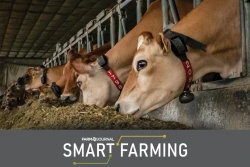
With financial challenges facing dairy farms, Curtis Gerrits with Compeer Financial, says it is essential for producers to evaluate how these technology investments impact their farm’s overall financial position.
The deadline to enroll for the USDA’s Dairy Margin Coverage (DMC) and Supplemental Dairy Margin Coverage (SDMC) programs is approaching fast. The last day for producers to sign up is Monday, April 29, 2024.

Three ways to take advantage of dairy’s carbon footprint.

One thing adversity teaches us is how to persevere. Dig deeper. Plow harder. At least this is what dairy farmer, Todd Benedict, has learned when he faced two nightmare situations—a barn fire and losing his milk market.

“When I arrived at the dairy that day and assessed the situation, three main objectives were clear: Increase cash flow, reduce expenses, rebuild relationships.”

As milk prices continue to sink lower, more and more dairy producers are turning their attention to creating a healthy beef cross calf to generate additional income for their farms.

The High Plains Dairy Conference will be March 5-6 in Amarillo, Texas. The conference will explore alternative revenue streams, the future of exports and much more.

All leading experts—from economists to cattle marketers, share that those producers with a surplus of heifer replacements are likely to capitalize on a pretty penny in the year ahead.

Beef cross calves are currently generating healthy profits for dairies. They also are a welcome addition to the beef supply chain, according to Dr. Zeb Gray, Beef Technical Feedlot Specialist with Diamond V.

Dairy replacement heifer values continue to gain ground after years of anemic prices.

Heifer availability has tightened, and prices have increased substantially. One reason is the interest that has developed in beef-on-dairy calves.

Last week, AgriTalk host, Chip Flory, visited with two dairy farmers -- Ken Smith and Darlene Lopes at Milk Business Conference to talk about the challenges that face dairy, as well as what opportunities lie ahead.

What is motivating the increased levels of components on U.S. dairies? Jim Salfer, dairy extension educator at the University of Minnesota, says the answer at the farm level is multifaceted.