
Dairy Biosecurity

To determine where deficiencies are within your system, there are a few areas you can focus on to isolate potential mastitis drivers.

Feeding practices can have a tremendous impact on herd health and production.

The onset of fall marks the return of nuisance birds to dairy farms and feedlots in cooler climates.

Bovine tuberculosis is beginning to pop up again, and its effects could be devastating to dairy herds and the workers who care for them.

Data from a recent Dairy Herd Management Pulse Poll shows that dairy producers are split nearly down the middle about traceability initiatives.

Zoonotic diseases – those that can pass between animals and humans – are estimated to annually cause 2.5 billion cases of sickness, and 2.7 million deaths around the world.

It doesn’t matter if your employees present clinical signs or if they feel “fine,” if they test positive for COVID-19, they need to leave the farm and self-isolate. Here are 4 steps to prevent future transmission.

From increasing practical livestock biosecurity measures to advancing rapid depopulation and disposal abilities during animal disease outbreaks, Farm Bill funding will support endeavors to protect animal health.

Biosecurity recommendations and protocols should be specific to the farm to address the problems each farm has.
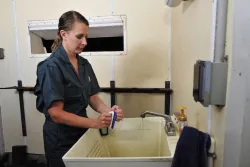
Putting biosecurity protocols in place can help reduce the risk of disease being transferred to not only livestock, but to humans as well.