

Surging cheese and butterfat exports are a bright spot for U.S. dairy farmers, but ongoing trade negotiations may stand in the way of even greater gains.

If Mexico’s push is successful, U.S. exports to the country could suffer.

Used skid steers, wheel loaders and excavating equipment are starting to draw strong bids as farmers build out fleets, and learn how one startup auction company is making inroads into the overseas export market.

A federal court ruled Wednesday that an emergency law does not provide President Trump with unilateral authority to impose tariffs on nearly every country. The interruption was short-lived after a federal appeals court granted the Trump administration’s request to temporarily pause a lower-court ruling.

A progressive step is expected to enhance market access for U.S. dairy producers, signaling a positive trend in dissolving non-tariff barriers, a commitment upheld by the Trump administration.

Global demand for U.S. cheese is accelerating, driven by expanding international markets and evolving consumer tastes. At the same time, trade negotiations and tariff policies remain key factors shaping the future of dairy exports.

The prospect of a U.S.-UK trade agreement has been long overdue. This new framework for negotiations marks a crucial turning point as the U.S. seeks a level playing field with global dairy exporters.

Damage from U.S.-China trade war extends far beyond sales.

In a landmark move for the dairy industry, the National Milk Producers Federation, U.S. Dairy Export Council and KADIN, the Indonesian Chamber of Commerce, have signed a memorandum of understanding.

From tariffs and export markets to domestic demand and innovative production strategies, navigating this landscape requires astute attention to market signals and strategic planning.

India likely to continue to protect its dairy industry from imports.

China’s rapid growth in milk production appears to be over for now.

In recent discussions surrounding trade policies and tariffs, the dairy industry has been notably affected. Rick Naerebout, CEO of the Idaho Dairymen’s Association, reflect on how the Trump 2.0 approach closely mirrors Trump’s earlier strategy, aimed at extracting concessions from trade partners.
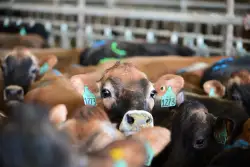
The U.S. dairy industry, driven by substantial investments and shifting consumer preferences, is poised for significant growth in the coming years.

Dairy farmers are riding a wave of market uncertainty in 2025, with trade battles, feed price swings, and booming cheese production shaking up the industry. Experts Sarina Sharp and Katie Burgess break down the top trends shaping the year ahead.
A recent agreement reinforces the bond between the dairy industries of the U.S. and Guatemala, fostering growth, and ensuring consumer benefit across borders.

If the dollar falls far enough, dairy exports could still be competitive even with retaliatory tariffs.

As we navigate the milk market’s changing dynamics in 2025, stakeholders must remain vigilant and proactive.

There is no doubt there will be significant volatility this year. Politics, equity markets, weather, supply, and demand will all affect the markets

The ongoing discourse between the U.S. and Canada underscores a critical need for diplomatic negotiations to address trade barriers.

While many farmers are comparing the current threats of tariffs and trade wars to the situation they endured in 2018, Joe Vaclavik believes this time will be better.

President Trump’s new tariffs on imports from Canada, Mexico and China have gone into effect. While the economic consequences are unknown, Secretary of Agriculture Brooke Rollins has promised to have a plan ready for farmers, if needed.

With a little over a year at the helm of Darigold, Allan Huttema has seamlessly transitioned from being a dairy farmer to a corporate leader, highlighting a unique blend of hands-on experience and strategic vision.

Both domestic and foreign buyers step back from potential trade war.

Secretary of Agriculture Brooke Rollins kicked off the 2025 Top Producer Summit on Tuesday morning, detailing her plan to advocate for trade. ‘We want to find market access for all our products,’ Rollins said.

As we venture further into 2025, the dairy industry faces significant challenges and opportunities. Phil Plourd, the President of Ever.Ag Insights, highlights three pivotal stories shaping the market landscape this year: exports, milk production growth and consumer demand.

Global milk production among leading dairy exporters is headed for growth in 2025, but will it be sufficient to offset rising dairy demand?

Dairy producers are closely watching how potential trade changes could affect exports, particularly as concerns rise over Canada’s compliance with the USMCA and the critical role of top trading partners.

As federal policy decisions tend to heavily impact rural industries, the outcome of the 2024 election promises to significantly shape the rural economy in the year ahead. CoBank’s annual report outlines what to expect.