
Veterinary - General

At NexGen Dairy, Megan and Tim Schrupp are continuing their legacy while taking it to the next level — prioritizing future tech and future leaders

What’s the long-term difference between starting a retirement plan at age 20 versus 40? Farm CPA Paul Neiffer crunches the numbers.

Calves can suffer from heat stress the same as older animals. But even when the heat is on, they prefer to stay close to their partners in pair housing situations, according to a recent study by University of Wisconsin researchers.

Whether it’s pork, beef or chicken, consumers can’t seem to eat enough protein. That’s fueling robust demand and prices for livestock producers.

The Senate Agriculture Committee has advanced the bipartisan Whole Milk for Healthy Kids Act, a major step toward restoring whole and 2% milk options in schools.

Navigating the world of health insurance can be daunting, especially for farmers and small business owners. Here’s an explanation of several options that might work for you.

Results from Farm Journal’s State of the Dairy Industry 2025 report shine hope.

GLP-1 weight-loss drugs are reshaping dairy demand by curbing cravings for processed, fatty, and sugary products, fueling a rise in protein-rich, low-fat options.

Human nutrition increasingly embraces fermentation as a natural and non-medicated means of promoting digestive health and supporting the gut microbiome. Now, some dairies are doing the same, by feeding kefir to their calves.

A sneak peak of Farm Journal’s leading-edge survey insights illustrates strategic solutions that generate renewed confidence, ensuring a promising path forward for the industry.

It is important that dairy industry stakeholders work together to further understand the complexity and underlying mechanisms of heat stress impacts and develop alternative strategies to mitigate the risks.

Researchers continue to seek methods of monitoring animal health and welfare to anticipate health setbacks and improve the animals’ lives. The latest tool to do so: saliva.

Could a cow’s birth season impact its longevity and productivity? University of Florida researchers say yes—discover how heat stress at birth could shape a cow’s future.
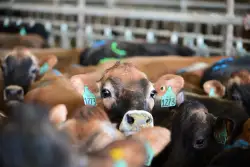
The U.S. dairy industry, driven by substantial investments and shifting consumer preferences, is poised for significant growth in the coming years.

The March Ag Economists’ Monthly Monitor asked economists if they think the U.S. general economy will see a recession in 2025. 62% said yes.

With beef-on-dairy calves in high demand, giving them the best start is essential for both their health and market value. Dr. Gail Carpenter outlines five key priorities for dairy farmers to focus on to help set these calves up for success.

The retail meat industry sold 500 million more packages in 2024 than they did in 2023. Of that 500 million-package growth, 62% was driven by millennials.

Even mild cases can impact milk production, health and well-being. Researchers, citing expenses and losses farmers incur from the problem, say costs per case commonly range from $76, on the low end, to more than $336, on average.

The U.S. bovine semen industry’s resurgence in 2024 signifies more than just a recovery. It represents a transformative wave of growth that is poised to impact livestock reproduction on a global scale.

ENSO-neutral means conditions could be close to average, but Eric Snodgrass, Nutrien’s principal atmospheric scientist, says that doesn’t mean the weather will be normal this spring and summer with growing concerns about drought.

Last week, the U.S. dollar had the worst week-to-week performance since 1995 and that, combined with global dairy price premiums, should spark some export interest and support domestic prices.

The outbreak, discovered in the city of Gyor, is the first outbreak of foot-and-mouth disease outbreak reported since 1973.

What is normal for calf body temperature, and when should they be treated for fevers? Industry experts weigh in on making temperature monitoring a routine part of daily calf care.

An unprecedented shift in the U.S. dairy cattle population could signal uncertainty ahead in terms of milk production, cow numbers, and prices – for both the milk and the animals.

Have you ever wanted to post on social media but were worried about potential backlash? Knowing how to handle contentious issues online can help people understand the animal agriculture’s commitment to animal care.

While Lindsey Worden has remained with one employer since college, her passion for dairy could “easily fill a barn.” She illustrates that with a readiness to embrace change and seize opportunities, tremendous achievements are attainable. Her leadership at the Holstein Association is paving the way for innovations benefiting producers and the industry for years to come.

What do high-quality leaders have in common when it comes to developing both strong teams and strong balance sheets?

The CDC tested 150 practitioners last September. None of the three that had a positive serology result reported having experienced respiratory or influenza-like symptoms.

Learning why and how some calves navigate life challenges better than others can provide clues into how to support individual animals to achieve better welfare and performance, particularly with the aid of precision livestock technologies.

U.S. dairy cattle tested positive for a strain of bird flu that previously had not been seen in cows, the U.S. Department of Agriculture said on Wednesday, ramping up concerns about the persistent spread of the virus.