
Milk - General

Through the Healthy Dairy in Schools Commitment, the dairy industry is pledging to remove certified artificial colors from milk, cheese and yogurt served in K-12 school meals by July 2026.
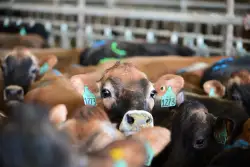
The accelerated changes in butterfat and protein production present a promising horizon for the dairy sector, setting the stage for continued growth and opportunity on both domestic and international fronts.

Lower-than-expected U.S. milk production gave Class III milk futures a boost despite weaker spot cheese prices, as markets weighed export demand, global price gaps, and upcoming cold storage data.

The dairy sector has seen a promising upward trend in milk production that is reflected in the latest U.S. Milk Production Report.

Cheese markets saw strong activity with little price change, while U.S. milk production in March rose 0.9% year-over-year.

The Food and Drug Administration is suspending a quality control program for testing of fluid milk and other dairy products due to reduced capacity in its food safety and nutrition division.

The new processing plant marks its largest investment to date and a major expansion of its operations in the state’s dairy industry.

Creating a thriving work environment is about fostering a culture that benefits both employees and the business. Jared Dueppengiesser shares invaluable insights as a former herd manager at Rosendale Dairy, part of the MilkSource LLC.

Early day buying had May Class III milk touching over $18.50, a level we haven’t seen since late February.

Recent policy shifts have clouded the outlook for the months ahead, introducing demand uncertainty at a time when milk production and components are increasing.

Establishing a leadership legacy in the dairy business revolves around fostering the right qualities and cultivating a culture where people are eager to be part of the vision.

As more people seek authenticity in their dietary choices, dairy finds itself ready to meet the demand with open arms, instilling confidence in a new-age consumer market.

Class III futures climbed over $1 this week, even as spot cheese slipped, with low prices helping to boost demand.

India likely to continue to protect its dairy industry from imports.

In the heart of the U.S., a dairy revolution is taking place — reshaping the landscape of the national milk industry. The epicenter of this transformation? Amarillo, Texas.

Class III milk futures slipped as barrel prices softened, but steady powder markets and a weaker dollar hint at potential support from export opportunities.

As Hilmar Cheese Company prepares to welcome only its third CEO in 41 years, the organization looks forward Greg Schlafer’s leadership, marked by continued dedication to innovation and quality.

With the May pricing period now underway and futures starting the week at a discount, May cheese and Class III contracts rallied to bridge the gap.

Tariffs have been dominating the news, and the uncertainty of the impact of those tariffs on dairy export demand. The strong exports of butterfat and the difference between the world price and the U.S. price may minimize the impact for that category.

Idaho’s dairy industry exemplifies resilience and innovation, demonstrating its preparedness to tackle challenges while thriving in a competitive landscape.

Friday saw most commodities except milk trading green, but today flipped the script, with spot cheese pulling us higher.

What happens inside a cow’s udder when nutrition takes a hit? A new study reveals how quickly the mammary gland adapts—and what it means for milk production.

With dairy replacements in tight supply and beef-on-dairy calves worth a small fortune, monitoring the health and management of livestock is just as crucial as keeping a close eye on financials.

Tariff tensions with China sent ripples through the whey market, dragging down spot and futures prices and putting pressure on Class III milk contracts.

China’s rapid growth in milk production appears to be over for now.

While markets responded positively to yesterday’s news of delays, continued pressure on China leaves the future of dairy prices up in the air.

Rising tariffs between the U.S. and China are putting pressure on key dairy exports like whey and lactose, sparking concern over the potential of lost sales and falling prices.

Farming is hard work, but using technology to make farming “smart” can make it easier.

Class III futures saw a strong rebound with significant gains in May and June contracts, while cheese prices edged higher, despite ongoing U.S.-China tariff tensions impacting dairy markets.

In recent discussions surrounding trade policies and tariffs, the dairy industry has been notably affected. Rick Naerebout, CEO of the Idaho Dairymen’s Association, reflect on how the Trump 2.0 approach closely mirrors Trump’s earlier strategy, aimed at extracting concessions from trade partners.